
Your body's own healing intelligence
PRP Therapy
Discuss PRP for hair, skin or joint concerns at ARPAR in Chiang Mai. Your physician assesses the treatment area and explains the procedure, possible risks and follow-up.
What is PRP?
Platelet-rich plasma (PRP) is prepared from a sample of your own blood by concentrating the platelets. The reason for treatment and the method of preparation affect what to expect. Using your own blood does not make the procedure risk-free.
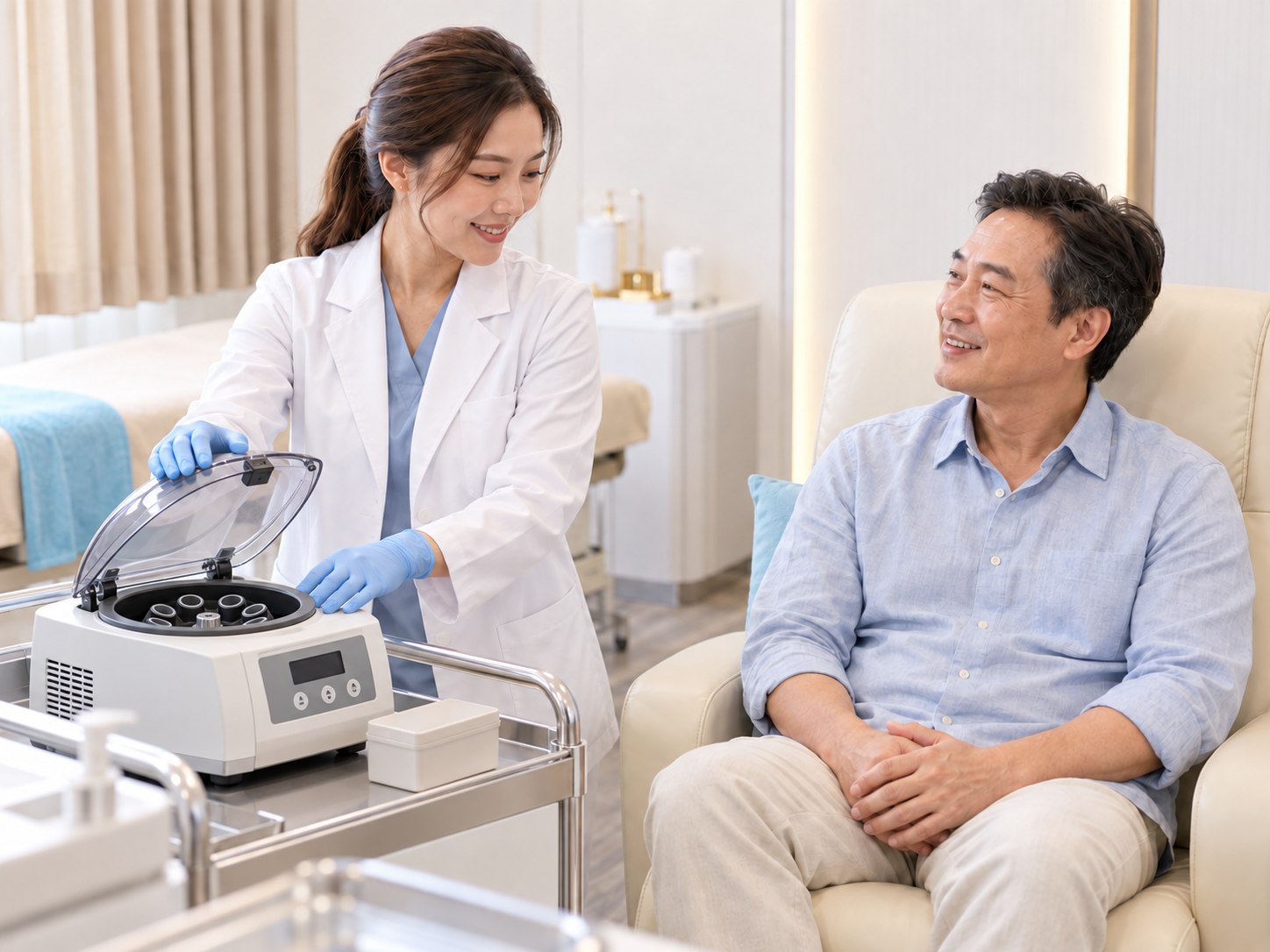
The PRP process
Blood draw
A small blood sample is collected from your arm.
Centrifuge
Spun in a centrifuge to separate and concentrate platelets.
PRP extraction
Platelet-Rich Plasma with high growth factor concentration is isolated.
Targeted application
Precisely injected into the treatment area by your physician.
Treatment options
PRP for hair loss
Discuss the cause of hair loss and whether PRP is appropriate for your diagnosis.
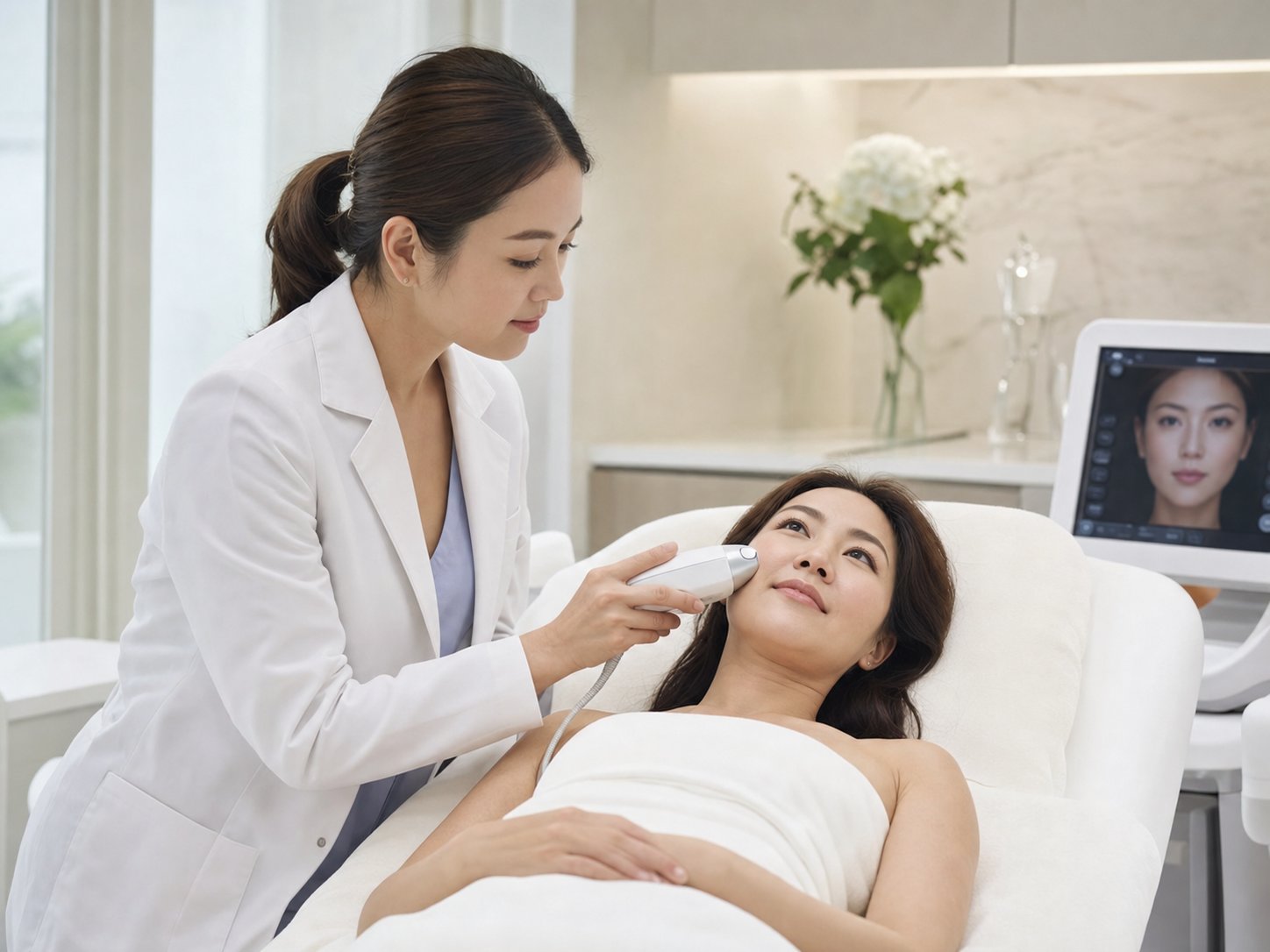
PRP for skin
Discuss the treatment area, method of application and expected recovery.
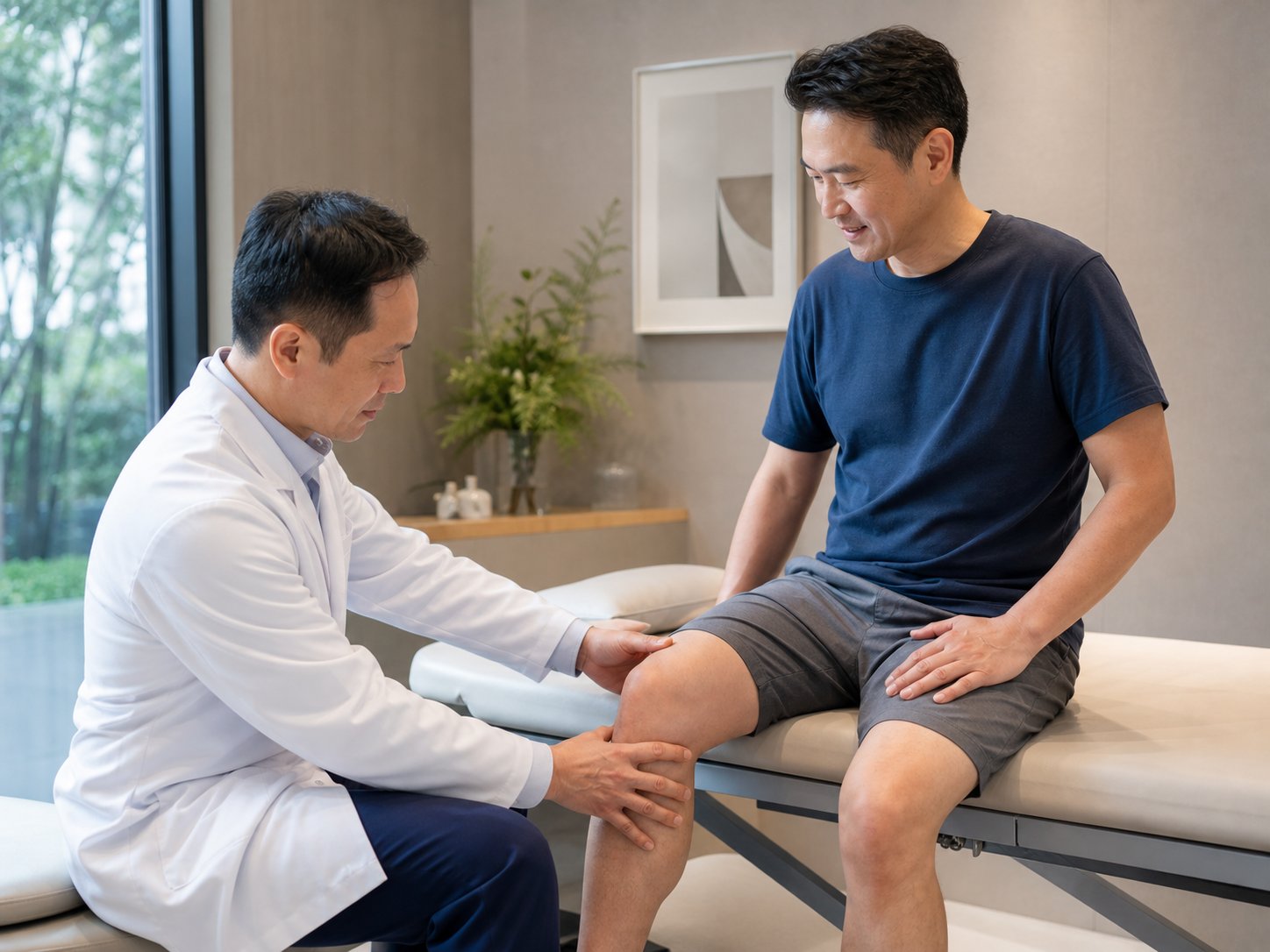
PRP for joint concerns
A joint assessment helps determine whether PRP or another approach is worth considering.
What to discuss before PRP
- The diagnosis and the reason PRP is proposed
- Evidence for treating that specific condition
- Possible complications and aftercare
- How and when the response will be reviewed

Your physician
Dr. Pattanawadee Uttawichai
PRP treatments are administered under the direct supervision of Dr. Pattanawadee Uttawichai, ensuring every injection is placed with clinical precision.
View physician profile →Frequently Asked Questions
Is PRP completely risk-free?
No. Using your own blood does not remove procedure-related risks. Ask about possible complications for the treatment area and the aftercare you will need.
How many PRP sessions will I need?
The answer depends on the diagnosis, treatment area and response. Ask how the physician will review progress before agreeing to repeat sessions.
How much does the service cost?
Ask the clinic for a current written quote after assessment. Confirm which tests, procedures and follow-up visits are included.
How should I prepare for my visit?
Contact the clinic for instructions specific to your appointment. Bring previous results and a list of medicines and supplements. Do not change prescribed medicines without advice from your treating clinician.
When will I know the next steps?
The physician will discuss next steps after reviewing the assessment. Timing and follow-up depend on the findings and the service selected.